
Lebanon, Hezbollah and the Risk of Regional Spillover
Lebanon's institutional fragility and Hezbollah's military role create high risks of regional conflict, illustrating how weak states lose control over war and peace to non-state actors.
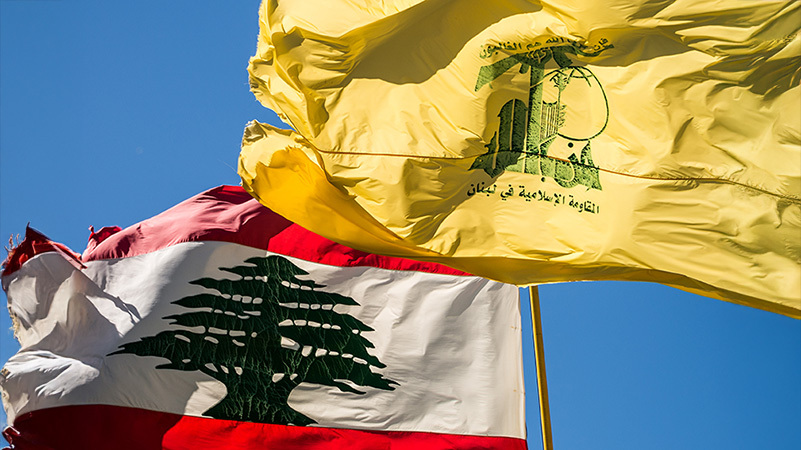
This article explores the precarious security dynamics in Lebanon, where economic collapse and political paralysis have empowered Hezbollah as a dominant non-state actor. It examines how these internal vulnerabilities, combined with regional tensions involving Israel, threaten to trigger a wider conflict that the Lebanese state is ill-equipped to manage. Using these challenges as a case study, the text highlights the essential need for strong civilian institutions and national consensus to prevent non-state entities from dictating a country’s security path.
The Strategic Cost of Institutional Fragility and Non-State Dominance
Lebanon’s fragile political system and the armed capabilities of Hezbollah have long been central to debates about sovereignty and regional deterrence. Periodic escalations with Israel risk drawing in other actors and expanding the theatre of conflict beyond the immediate border area.
The presence of large refugee populations, economic collapse and institutional paralysis increase the human cost of any renewed confrontation. They also limit the state’s capacity to manage crises, respond to disinformation and prevent communal tensions.
"Where these elements are missing, non-state actors can become de facto gatekeepers of war and peace."
Ethiopia can draw lessons on the value of strong civilian institutions, diversified economies and national consensus on security policy. Where these elements are missing, non-state actors can become de facto gatekeepers of war and peace.