
Iraq After the Caliphate: Stabilisation, Militias and the Risk of Recurrence
Iraq’s transition reveals that military victory must be reinforced by inclusive governance and economic recovery to prevent renewed conflict.
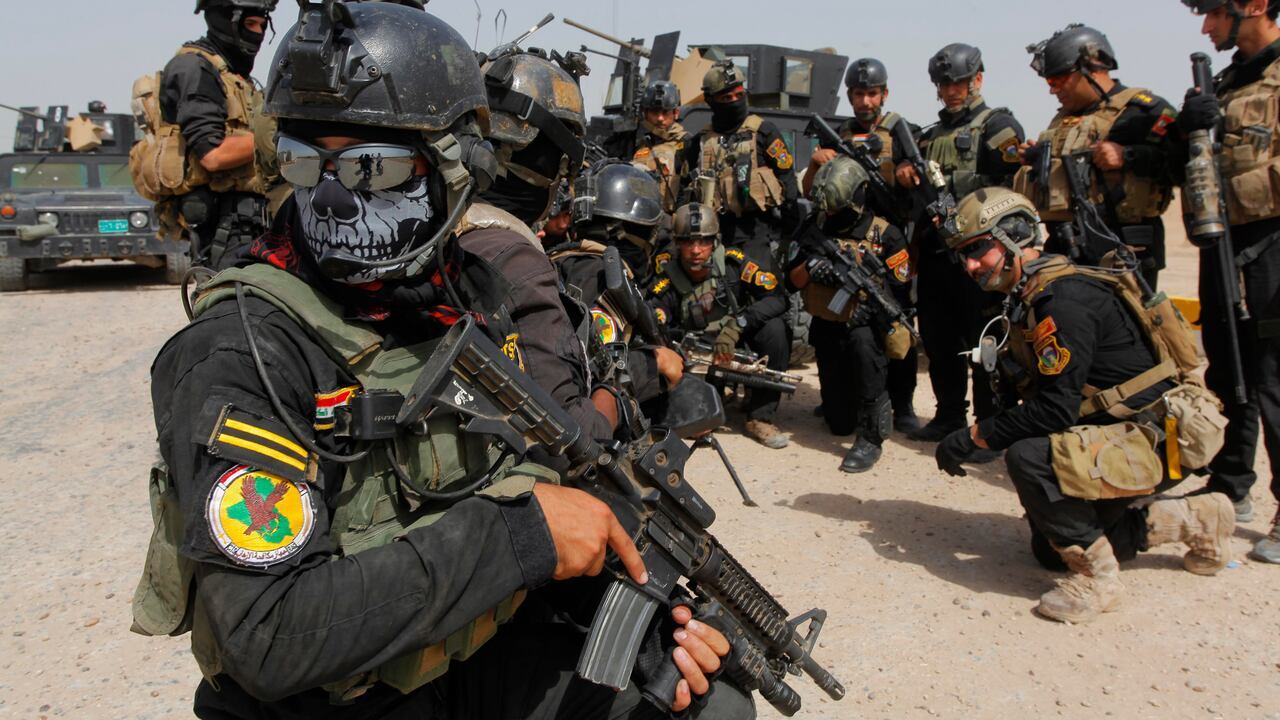
This article analyzes the challenges of post-conflict Iraq, where the end of territorial control by the Islamic State has left a complex landscape of militias and external actors. It emphasizes that sustainable stabilization depends on coherent disarmament and reintegration strategies coupled with economic recovery to prevent further insurgent recruitment. Ultimately, the piece argues that a narrow focus on military force is insufficient; long-term security requires addressing deep-seated social grievances and institutional responsibilities.
Bridging the Gap Between Military Victory and Sustainable Governance
The defeat of the so-called Islamic State’s territorial control in Iraq was a major milestone, yet it did not automatically translate into inclusive governance or unified security structures. A patchwork of militias, formal forces and external advisors continues to shape security outcomes.
Post-conflict stabilisation in Iraq highlights the importance of coherent disarmament, demobilisation and reintegration strategies, alongside economic recovery in liberated areas. Without credible opportunities and services, communities remain vulnerable to recruitment by violent groups.
"A narrow focus on kinetic victories is insufficient if governance gaps and social grievances remain unaddressed."
For Ethiopia, the Iraqi case underscores the need to plan post-conflict transitions early, with clear institutional responsibilities and transparent communication. A narrow focus on kinetic victories is insufficient if governance gaps and social grievances remain unaddressed.