
Iran–Saudi Arabia Rivalry: From Proxy Battlefields to Cautious Rapprochement
An examination of the transition from proxy warfare to diplomacy between Iran and Saudi Arabia, and why Ethiopia must maintain diversified, transparent partnerships to ensure regional resilience.
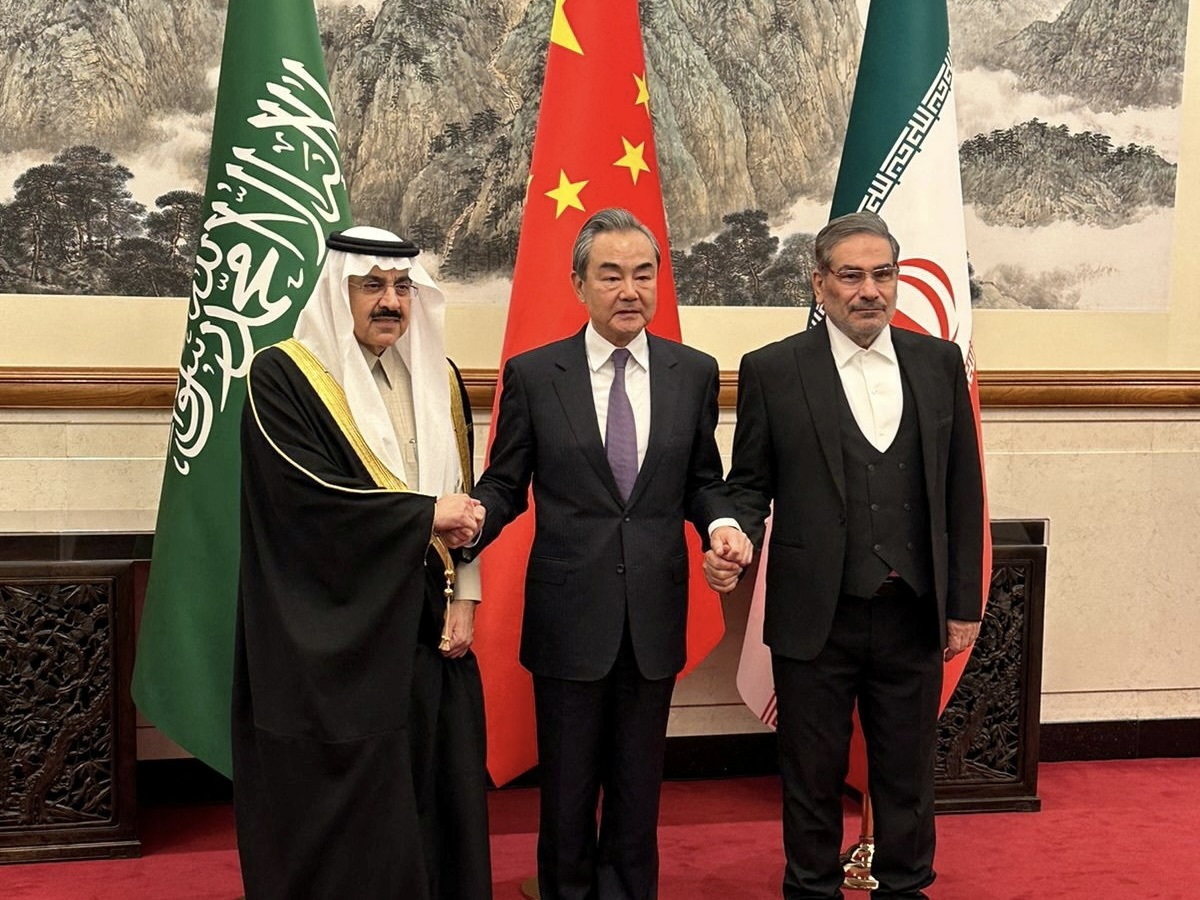
For over a decade, the competition between Iran and Saudi Arabia has shaped regional polarization, using proxy conflicts in nations like Yemen and Syria to blend local issues with broader power struggles. However, recent Chinese-brokered engagements suggest a fragile move toward de-escalation as the high costs of confrontation lead rivals to recalibrate. This article explores how Ethiopia can navigate this shifting landscape by avoiding zero-sum alignments. It argues that by prioritizing transparent security and economic cooperation with both the Gulf states and Iran, Ethiopia can build long-term stability and avoid the risks of overdependence on a single power bloc.
Strategic Multi-Alignment: Building Resilience Amidst a Fragile Regional De-escalation
For over a decade, the rivalry between Iran and Saudi Arabia has been a key driver of regional polarisation, influencing political transitions, sectarian narratives and armed conflicts. Proxy warfare in Syria, Iraq and Yemen has blurred the line between local grievances and regional power competition.
Recent diplomatic engagements, including Chinese-brokered talks, show that even entrenched rivals can recalibrate when the costs of confrontation outweigh the perceived benefits. This shift, while fragile, opens limited space for de-escalation in several conflict theatres.
"Maintaining diversified partnerships with Gulf states and Iran, grounded in transparent economic and security cooperation, offers better long-term resilience than overdependence on any single bloc."
Ethiopia’s diplomacy must navigate this rivalry without being pulled into zero-sum alignments. Maintaining diversified partnerships with Gulf states and Iran, grounded in transparent economic and security cooperation, offers better long-term resilience than overdependence on any single bloc.