
Gaza 2023–: Escalation, Ceasefire Diplomacy and Implications for the Horn of Africa
An exploration of the 2023–ongoing Gaza conflict’s ripple effects on Red Sea security and the strategic recalibration required for Ethiopia’s foreign policy.
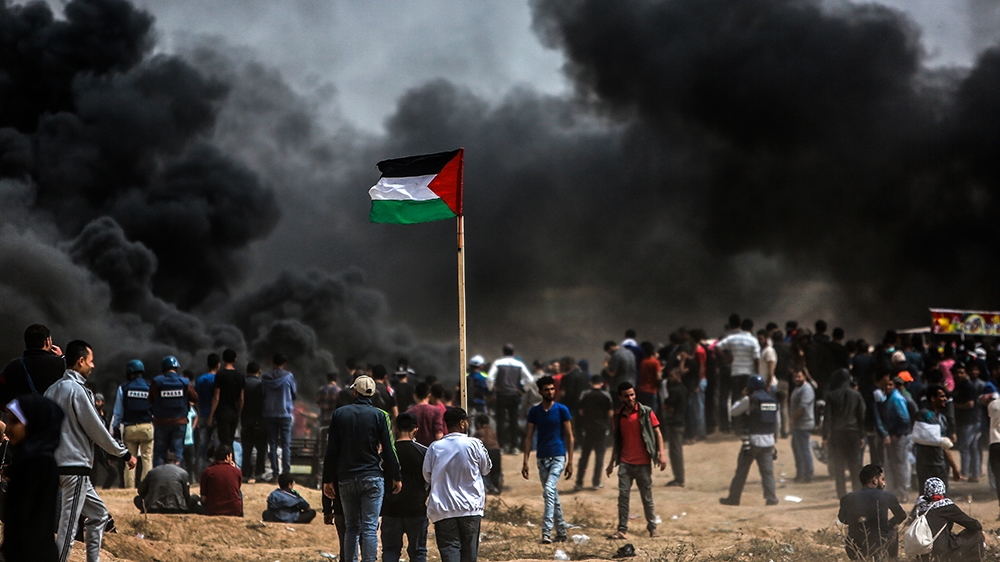
The 2023–ongoing Gaza war has evolved into a pivotal geopolitical flashpoint, merging urban warfare with complex regional diplomacy involving mediators like Egypt and Qatar. Beyond the immediate theatre of conflict, the war significantly intersects with the interests of the Horn of Africa through Red Sea security, energy pricing, and shifting public opinion. For Ethiopia, the conflict presents a triple challenge: rising trade costs due to Suez-bound shipping disruptions, the potential redirection of Gulf state support, and the domestic difficulty of maintaining balanced relations with both Israel and Arab partners. To navigate these pressures, the article suggests a policy response rooted in humanitarian law and a cool assessment of national interests.
Trade, Diplomacy, and Public Opinion: Ethiopia’s Strategic Stakes in the Gaza Conflict
The 2023–ongoing Gaza war has become a central flashpoint of Middle Eastern geopolitics, combining urban warfare, information operations and multi-front escalation. For states in the Horn of Africa, the conflict is not geographically distant: it intersects with Red Sea security, energy prices, and public opinion across Arab and African societies.
Israel’s ground operations, Hamas’ rocket campaigns and the involvement of other armed actors have generated complex regional diplomacy. Egypt, Qatar and other mediators have sought phased ceasefires, hostage releases and humanitarian arrangements, yet each step has been shaped by broader rivalry among regional and global powers.
"A forward-looking Ethiopian policy response must therefore combine principled support for international humanitarian law with a cool assessment of national interests."
For Ethiopia, the Gaza theatre matters in at least three ways. First, disruptions to Red Sea shipping and Suez-bound cargo can impact trade costs and timelines. Second, shifting Gulf state priorities may redirect financial, diplomatic and security attention away from the Horn of Africa. Third, images of civilian suffering reverberate across Ethiopian public debates, complicating the task of maintaining balanced relations with both Arab partners and Israel.
A forward-looking Ethiopian policy response must therefore combine principled support for international humanitarian law with a cool assessment of national interests. This entails sustained diplomatic engagement with Arab capitals, Israel and multilateral forums, while investing in independent conflict analysis that avoids the polarising narratives driving online discourse.